All posts by Sandhu Law Offices
Visitor & Tourist Visa: Legal Responsibilities, Overstay Consequences, and Re-entry Bans
Introduction Traveling internationally for pleasure, business, or to visit family often requires obtaining a Visitor or Tourist Visa. While these visas unlock incredible opportunities, they come with significant legal responsibilities that every holder must understand and adhere to. A temporary visa is not an invitation to reside permanently; it is a limited grant of permission to enter a country...
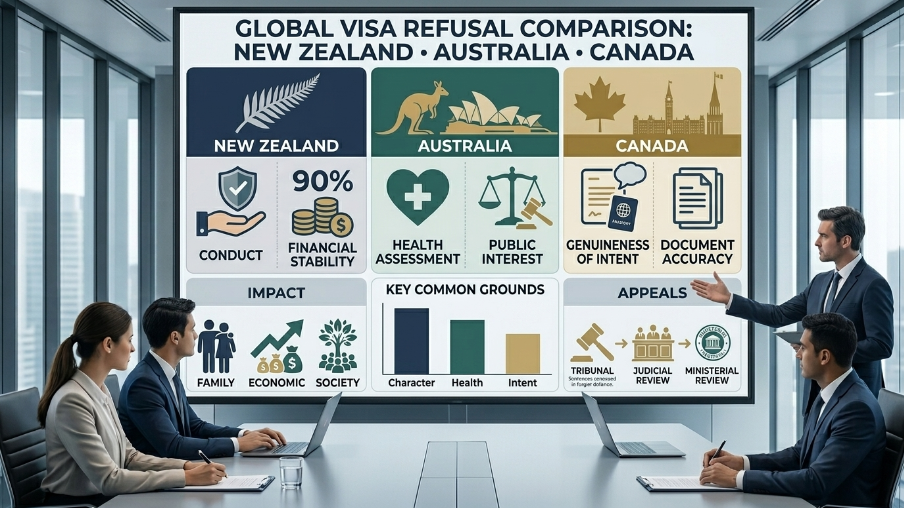
Legal Grounds for Visa Refusals: A Comparative Study of New Zealand, Australia, and Canada.
Abstract In 2024 and 2025, the “Migration 5” nations—particularly Australia, Canada, and New Zealand—have simultaneously tightened their immigration frameworks. This shift reflects a move away from simple checklist-based compliance toward more complex “integrity” assessments. This article examines how Australia has redefined the concept of a “Genuine Student,” how Canada has introduced historic caps on international student admissions to manage...
Broadcasting Rights in Sports: Role of Competition Law
Abstract Broadcasting rights in sports are a major financial asset often sparking complex legal battles and regulatory oversight. The fierce competition for exclusive broadcasting rights can lead to monopoly-like situations, which might hurt market competition and viewers’ interests. This post looks at how broadcasting rights in sports and competition law overlap examining how legal systems make sure there’s fair...

Legal Framework for Refugee and Humanitarian Visas: A Global Comparison
Abstract Mass displacement has become a defining feature of the 21st century. Conflict, political repression, climate disasters and collapsing economies are forcing millions of people to seek protection beyond their borders. In this environment, states are under growing pressure to redesign their legal pathways available to people who have no choice but to flee. While international refugee law offers...

AI Liability in India: Who Is Responsible When Algorithms Cause Harm?
Introduction: The Problem of AI Liability Artificial intelligence increasingly influences decision-making in finance, healthcare, employment, transportation, and public administration. As these systems become more independent and less transparent, figuring out who is legally responsible when AI causes harm is a growing problem. Traditional liability models assume direct human control and intention, ideas that no longer apply when algorithms learn,...
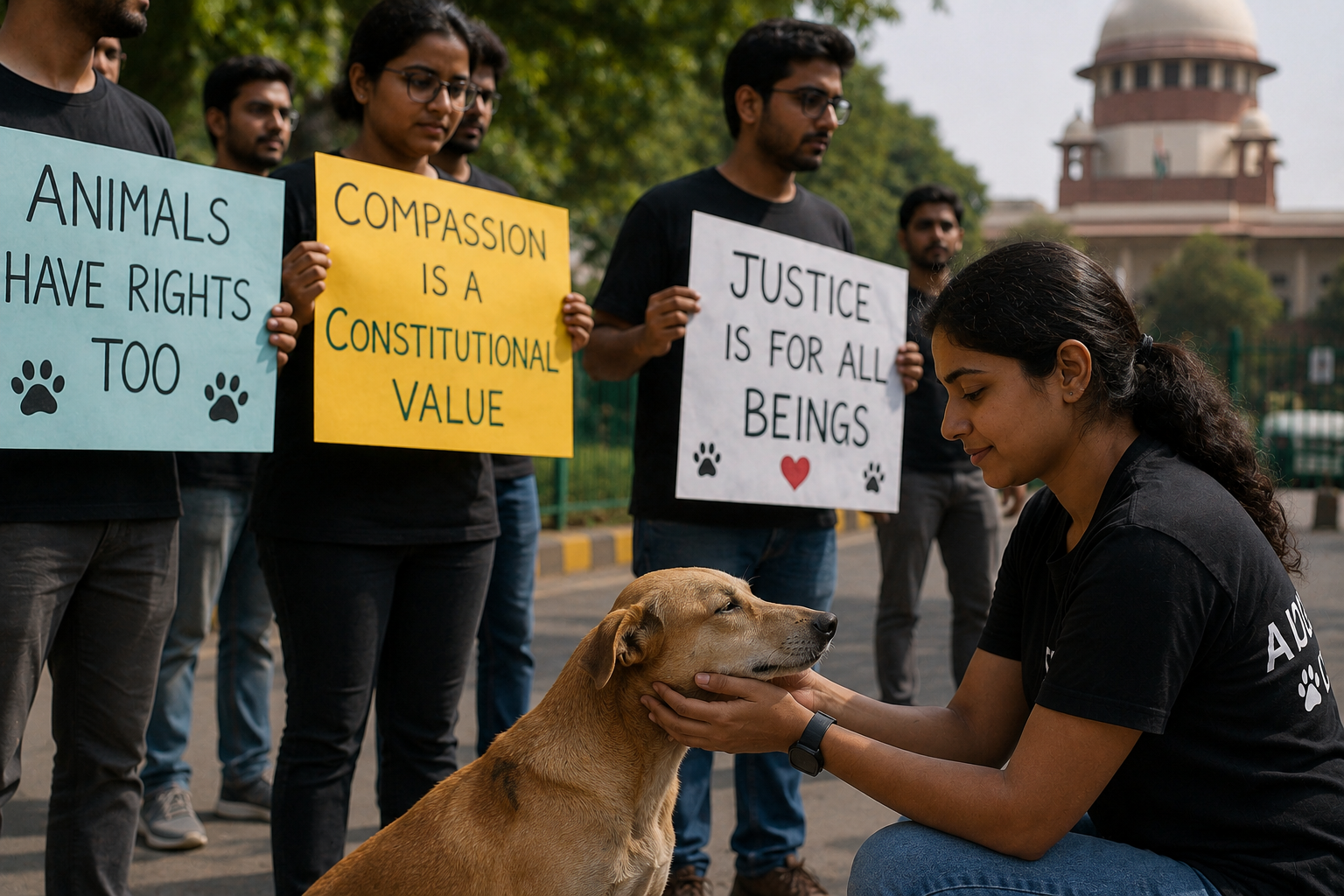
Expanding the Circle of Justice: A Constitutional Perspective on Animal Rights in India
Introduction The idea of justice, once confined to human interactions, is now steadily widening its horizon to include the non-human world. In India, this philosophical shift has found resonance within constitutional and judicial thought, giving rise to what can be called “the expanding circle of justice.” As societies evolve, so do their moral and legal understandings of what it...

Artificial Intelligence And The Doctrine Of Corporate Attribution: Can Algorithms Commit Corporate Faults?
INTRODUCTION The doctrine of corporate attribution is a legal concept that lets courts hold a corporation responsible for the actions and intentions of its key individuals, often referred to as its “directing mind and will.” This means that if someone in a leadership position within the company, like an officer or agent, acts within their responsibilities, the corporation can...

Breath Analyzer Test Is Not Conclusive Proof Of Alcohol Consumption – Analyze This Statement
Introduction The issue of driving under the influence of alcohol has been a matter of significant legal and social concern under drunk driving law. To curb road accidents and ensure road safety, law enforcement authorities often rely on breath analyzer (Breathalyzer) tests to determine whether a person has consumed alcohol beyond the permissible legal limit. However, the evidentiary value...
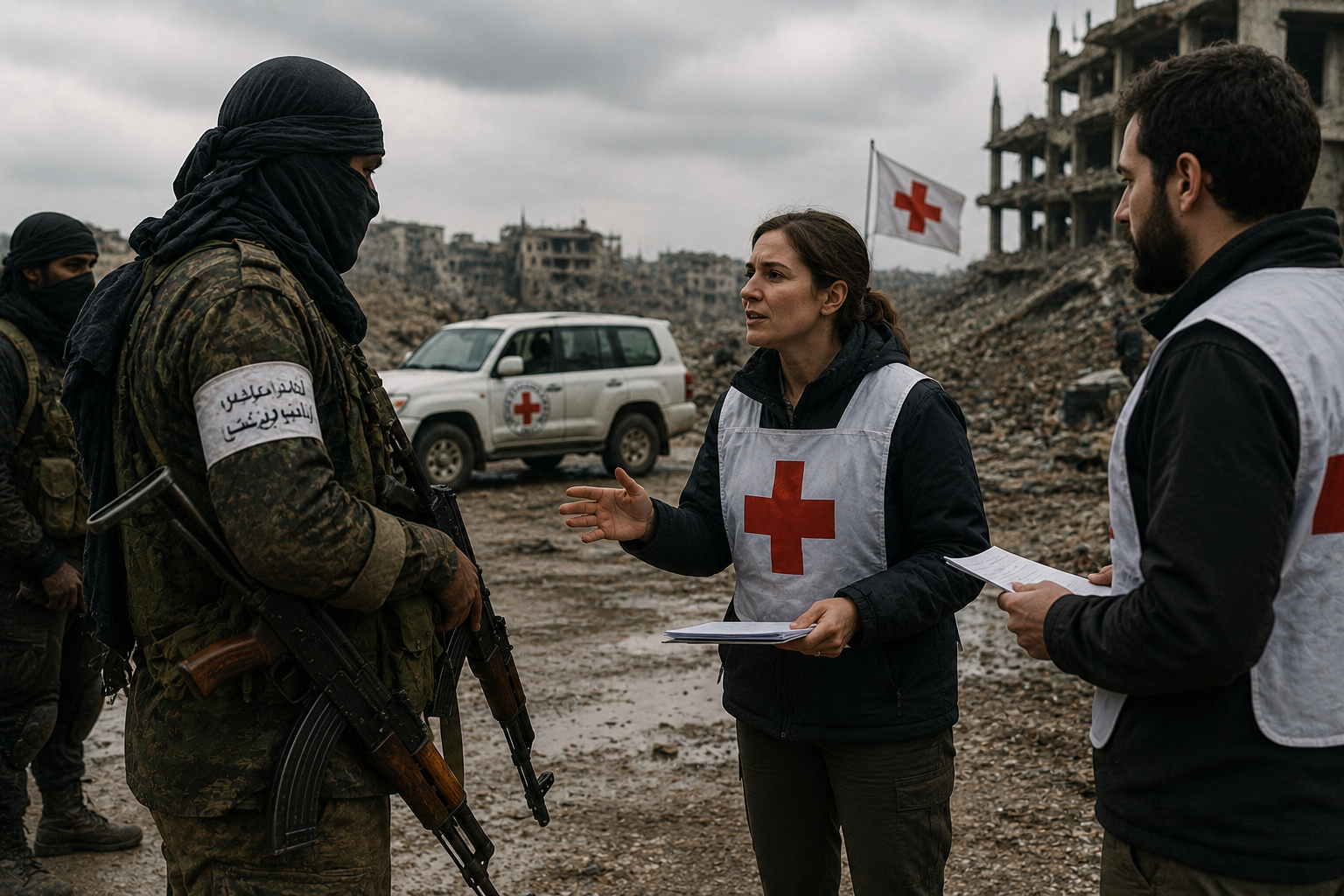
The Application Of International Humanitarian Law To Non-State Armed Groups.
ABSTRACT The rise of Non-State Armed Groups (NSAGs) in contemporary armed conflicts presents a significant challenge to the application and enforcement of International Humanitarian Law (IHL). Traditionally, IHL has been designed to regulate the conduct of war between sovereign states. However, with the increasing prevalence of asymmetric warfare, internal armed conflicts, and transnational insurgencies, the role of NSAGs in...