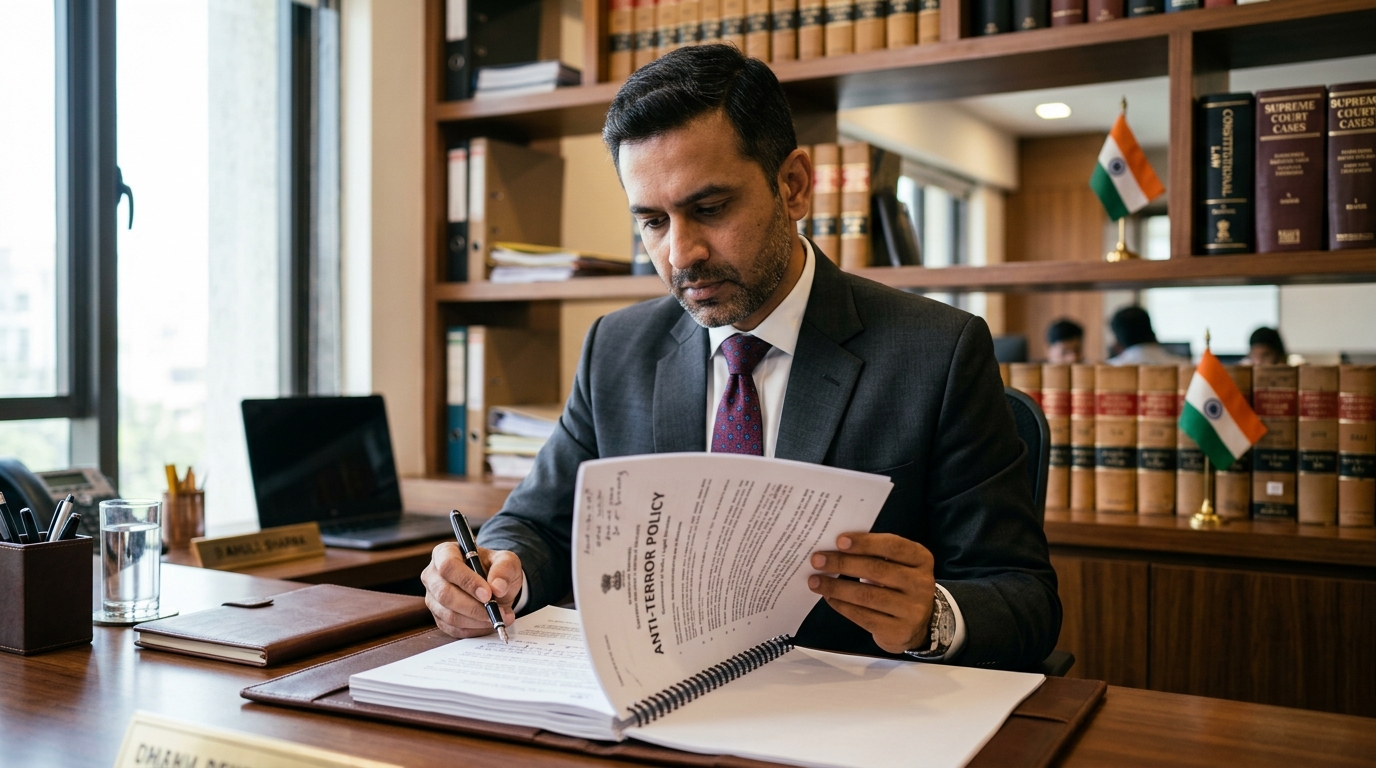
AbstractJudicial Review forms an essential aspect of public and administrative law and is considered the primary means by which executive and administrative decisions can be evaluated and tested in terms of constitutionality and legality. It gives courts powers to determine the legality, reasonableness, and fairness of the decisions made by public institutions and individuals acting on behalf of the...
1. IntroductionIn recent years, the rapid growth of digital platforms such as social media, streaming services, and messaging applications has transformed communication in India. With this growth, the government has increasingly issued advisories to regulate online content, ensure user safety, and maintain public order.However, a key legal question arises: Are these government advisories legally binding on tech platforms? This...
ABSTRACTThis article analyses the concept of the Welfare State, its evolution, and its role in modern society in Indian context. It discusses the historical development of welfare state and highlights a relevant case study to understand its practical impact. The article also critically analyzes theeffectiveness and challenges of welfare systems, including issues such as financial burden and dependency. At...
Introduction In India, consumer courts are designed to protect consumers from unfair trade practices and counterfeit goods or services. The first one is territorial, referring to the place where the seller conducts business, and the other one is pecuniary jurisdiction, which is the value of the claim. This is followed by a disciplinary hearing designed to determine the appropriate...
The Income Tax Act has a reassessment process that helps tax authorities check if any income was missed during the assessment. If the Assessing Officer finds that a taxpayer did not report all their income they can reopen the case.In the past people criticized this authority for being misused. Many taxpayers felt worried because they got a lot of...

AbstractThe Transgender Persons (Amendment) Bill, 2026 narrows the legal recognition of transgender identity to socio-cultural categories of people (kinner, hijra, aravani, and jogta or eunuch) and intersex variations based on biological traits and explicitly excludes self-perceived genderidentities and trans men/women irrespective of whether a person has undergone sex reassignment surgery. The proposed amendment omits the right of self-identification and...
AbstractThe concept of fake news and misinformation is emerging day by day in our world creating serious issues worldwide. The rapid growth of digital platforms has improved access to information but it does not look into the authenticity of news which are now spread through the digital platform. This blog explains about the fake news, its historical background and...
Supreme Court of India is the sole interpreter of Constitution and the protector of the fundamental rights under the Constitution of India, 1950. The Court has always been grappling with its problems including high case pendency, endless procedural delay, and overly complicated filing procedure despite its pivotal position. These issues do not only weigh down on the judiciary, but...
The Immigration and Foreigners Act, 2025 marks a transformative moment in India’s legal history, representing one of the most comprehensive overhauls of immigration and border management in decades. This landmark legislation replaces several outdated colonial-era laws with a single, unified framework designed to bring clarity, transparency, and efficiency to the regulation of foreigners in India. As India continues to...
Why This Amendment Matters? India’s Constitution has been described as a living document—one that adapts to the evolving demands of governance and democracy. The 130th Constitutional Amendment Bill, 2025, is a clear example of this adaptability. By focusing on accountability at the highest levels of public office, the Bill aims to ensure that those entrusted with power exercise it...