Category : Intellectual Property & Technology Law
Music Streaming After Licence Expiry: Copyright, Contractual Liability and Digital Exploitation
IntroductionIn real time, the rapid expansion of music-streaming services has remodelled the way in which copyrighted music can be accessed and commercially exploited. Traditionally, physical distribution of music sold permanent ownership of tangible items like CDs; streaming makes platforms capable of making vast classifications of musical works, and digital networks make continuous availability of sound recordings possible. Such access...

COPYRIGHT OWNERSHIP IN FILM SCRIPTS
1. INTRODUCTION: IMPORTANCE AND RELEVANCE OF THE TOPICEvery cinematograph film starts with a screenplay. It is the core text combining scenes, dialogue, and character arcs built through a writer’s creative effort. But a major legal conflict arises when a writer pitches an original script to a production house, only to see a substantially similar movie produced later without any...
Copyright ownership, infringement and available defences in unauthorised use of music in a film
1. Introduction: When a Song Becomes Someone Else’s PropertyMusic has a strange quality in copyright law. A listener may remember a tune in seconds, while the law may spend pages deciding what exactly has been copied. The difficulty becomes sharper when an original song created by one music producer quietly finds its way into a successful film made by...
Trademark Registration in India
A trademark is a distinctive sign, symbol, logo, word or phrase, design or any combination of signs, symbols, logos, words or phrases, or designs that identify and distinguish the goods or services of one business from another. The trademarks in India are regulated by the Trade Marks Act, 1999 and the Trade Marks Rules, 2017. The registration of a...
COPYRIGHT REGISTRATION IN INDIA
Copyright is recognised as the rights granted to the creator of the work when it is produced in public, protecting the expression of an idea, not the idea itself. This right is granted automatically at the moment when the work is created; copyright registration is not a necessary condition for protection, but it is useful in establishing strong documentary...
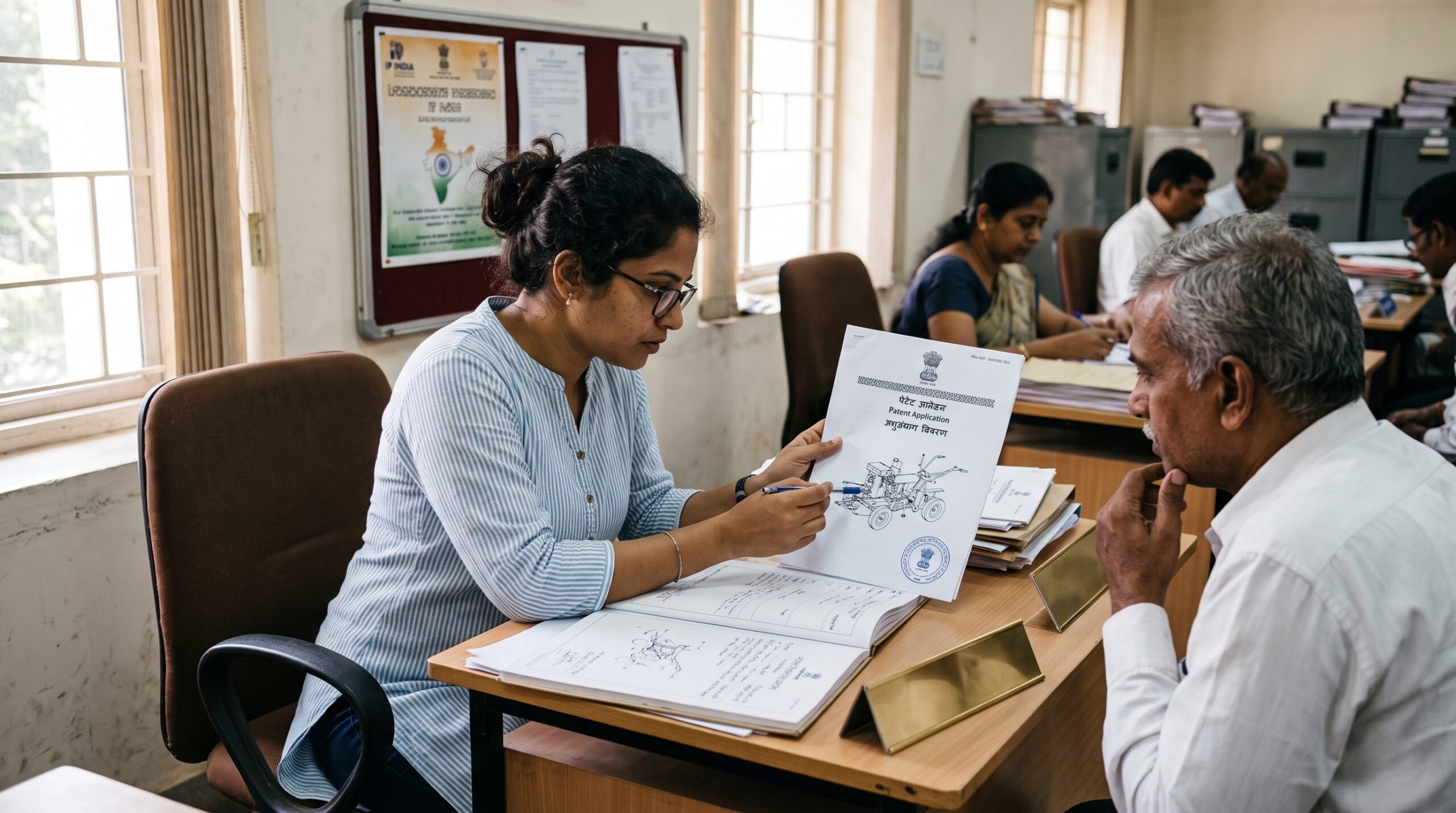
Patent Registration in India: A Practical Guide
Patent protection in India is governed by the Patents Act, 1970 (as amended in 1999, 2002, and 2005 to comply with TRIPS) and the Patents Rules, 2003, most recently overhauled by the Patents (Amendment) Rules, 2024 (notified 15 March 2024). The nodal authority is the Controller General of Patents, Designs & Trade Marks (CGPDTM) under the DPIIT, Ministry of...

Who Owns the Logo? Intellectual Property Rights in Designer-Client Relationships
In the modern digital economy, a logo is far more than a decorative symbol. It is the visual identity of a business, the marker by which consumers recognize a brand, and often one of the most valuable intangible assets a company owns. For startups, entrepreneurs, and small businesses, obtaining a distinctive logo is usually one of the earliest steps...
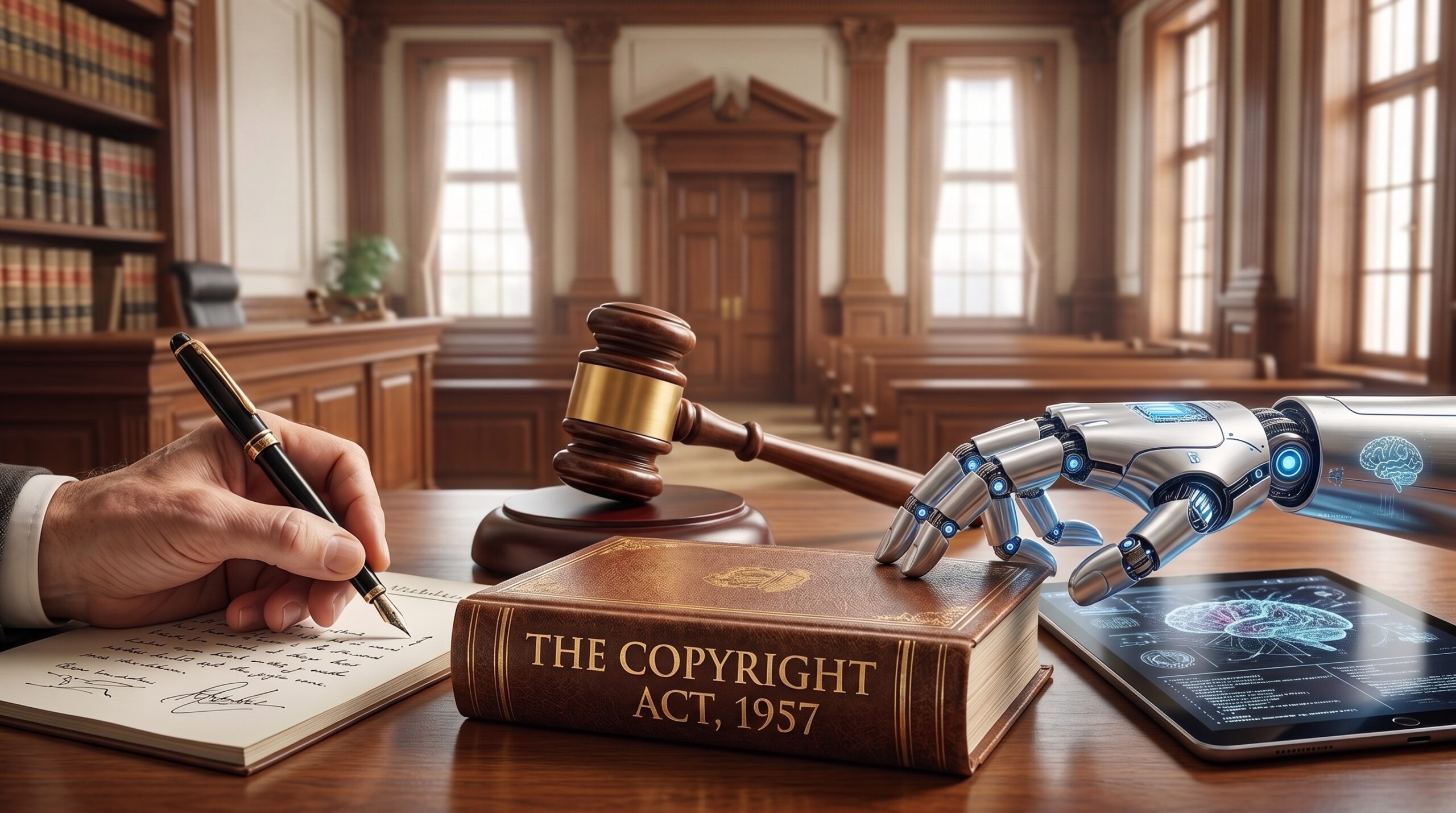
Authorship in the Age of AI: Can Machines Hold Copyright Under the Copyright Act, 1957?
The unstoppable emergence of Artificial Intelligence (AI) as an expressive content producer has triggered a paradigm shift in jurisprudence with regard to the very principles of the copyright law. The idea of authorship is at the centre of this dispute. This article is a critical analysis of the question of whether autonomous AI systems can be considered the authors...
ANKIT SAHNI V. REGISTRAR OF COPYRIGHTS
Case Name: Ankit Sahni v. Registrar of Copyrights (Re: Registration of the work “Suryast”) Citation: Registration No. A-138408/2021 (Withdrawal Notice issued 2021) Court/Authority: Indian Copyright Office (DPIIT) Brief Facts: In 2020, Ankit Sahni, an intellectual property lawyer created an Artificial Intelligence application called RAGHAV (Robust Artificially Intelligent Graphics and Art Visualizer). Sahni created an artistic work named Suryast as...
ANALYSE THE SCOPE OF AUTHORSHIP AND ORIGINALITY
INTRODUCTION The copyright law is the legal protector of the creative expression and is based on two basic pillars: authorship- the identification of the person, who has the right to the creative rights, and originality- the determination of whether a work has the necessary intellectual depth to be subject to protection. These ideas are frequently mixed in the Indian...
- 1
- 2