Category : Corporate, Business & Finance Law

Impact ofthe Corporate Laws (Amendment) Bill, 2026 on mergers& acquisitions
The corporate ( Amendment) Bill was introduced mainly to try to save time in case of Merger and acquisition. In the previous laws , this concept was complicated. Case laws like -Jupiter Wagons Limited v. Jupiter Alloys and steel ltd. ,Miheer h. Mafatlal v. Mafatlal Industries Ltd clearly helps to understand the need of amendment. Bill is also talking...
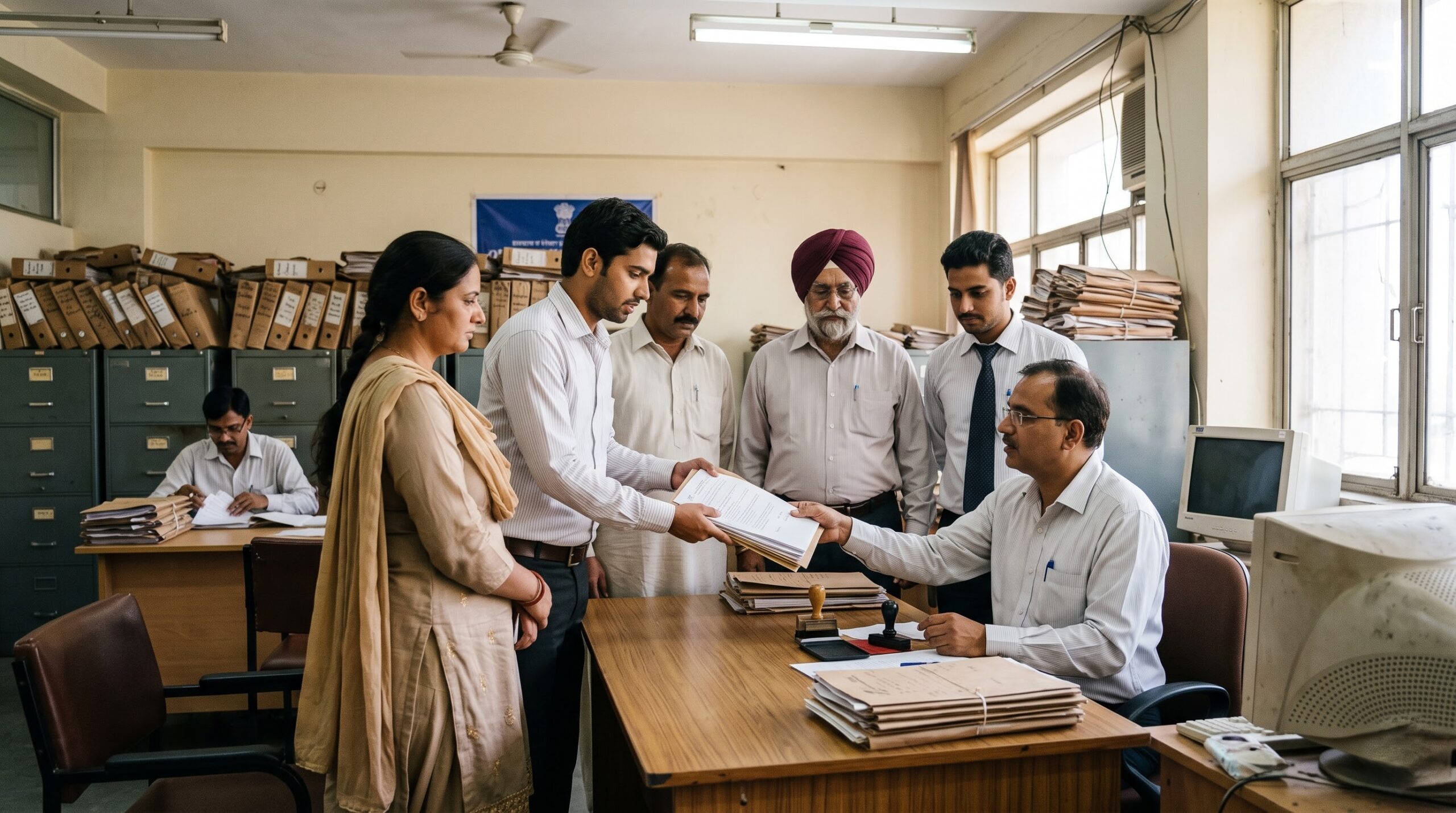
Registration of Societies under the Societies Registration Act, 1860 (Punjab)
The Societies Registration Act, 1860 (Central Act XXI of 1860) is one of the oldest laws in India which deal with the formation and regulation of non-profit making associations or societies. As a pre-Constitutional Central enactment, it is in the Concurrent list and several States have made changes in its application by introducing amendments in the concurrent list but...

BUSINESS AND GOVERNMENT REGISTRATIONS- STARTUP INDIA
Setting up a business in India involves compliance with a number of legal and regulatory requirements. Depending on the nature of the business, entrepreneurs may require registrations like Startup India Registration, GST Registration, FSSAI Registration, Shops and Commercial Establishments Registration, Trade Licence, GeM Registration, Punjab Startup Registration, etc. These registrations allow businesses to ensure they comply with the law,...

Whether a Franchise Agreement can be terminated by the franchisor for breach of operational standards, and what rights does the franchisee have?
The main purpose of a franchise agreement is to create a contractual relationship between the franchisor and franchisee that sets up a common brand, business system and rules of operation. From product quality and cost of products to store design to training and customer service procedures, all of these standards are put in place to ensure consistency in each...

NGO Registration in India: A Complete Guide to Society, Trust, and Section 8 Company
Non-Governmental Organisations (NGOs) form the backbone of India’s social development sector, working across education, healthcare, environment, women’s empowerment, rural development, and countless other causes. Before an NGO can legally operate, raise funds, or claim tax benefits, it must be registered under one of three legal structures recognised in India: a Society, a Trust, or a Section 8 Company. Each...

Registration of Partnership Firm and Limited Liability Partnership (LLP): A Practical Guide
Choosing the right business structure is one of the earliest and most consequential decisions any entrepreneur, professional, or small business owner makes, and the Partnership Firm and the Limited Liability Partnership (LLP) remain the two most commonly used structures for small and medium enterprises, professional practices, and family-run businesses in India. Although both involve two or more persons coming...

RTI Applicaton Against a Cabinet Minister Is Rejected by the Authorites – What Is the Next Legal Step?
The Right to Information Act, 2005 was built around a simple principle: citizens can seek information from public authorities, and the government is required to provide it unless a specific statutory exemption applies.The fact that an RTI application concerns a Cabinet Minister or the office of a Cabinet Minister does not, by itself, create a blanket exemption from disclosure....

Assets and Properties sealed after an income Tax raid?- Here’s what the Law says?
As per Section 132 of the Income Tax Act, 1961, an income tax raid is commonly referred to as a “search and seizure operation.” Such raids may take place where there is suspicion concerning books of account, documents, assets or other material relevant to tax proceedings, particularly where the Income Tax Department suspects undisclosed income or tax evasion.What Is...

Signed Documents Without Reading Them Thoroughly, And Lost Control Over Your Company? Here Is What All You Need to Know.
You spent a lot of energy and capital to build a company from scratch. It took years of hard work, extensive paperwork, countless late nights, and a lot more. Then, one day, you sign a document without reading it carefully because you trusted the person sitting on the other side of the table. Your name may still be on...

Settlement Through WhatsApp: A Commercial Payment Dispute
ABC Technologies Pvt. Ltd., a software development firm in Bengaluru, signed a services agreement with XYZ Retail Solutions Pvt. Ltd. to create an inventory management software. ABC Technologies had to deliver the project within six months, and XYZ Retail Solutions agreed to pay the contract amount in three instalments. Once the delivery of the software had taken place, a...