Category : Intellectual Property & Technology Law
Legal Enforceability of Government Advisories on Tech Platforms in India
1. Introduction In recent years, the rapid growth of digital platforms such as social media, streaming services, and messaging applications has transformed communication in India. With this growth, the government has increasingly issued advisories to regulate online content, ensure user safety, and maintain public order. However, a key legal question arises: Are these government advisories legally binding on tech...
Gap Between Tech Access Groups
1. IntroductionThe digital divide refers to the gap between individuals, groups, and communities that have access to digital technologies and those that do not. In the twenty-first century, technology has become an important part of human life. People use smartphones, computers, and theinternet for education, communication, business, banking, healthcare, and entertainment. However, not everyone can equally enjoy these benefits....
FAKE NEWS AND MISINFORMATION: THE SPREAD OF FALSE INFORMATION
AbstractThe concept of fake news and misinformation is emerging day by day in our world creating serious issues worldwide. The rapid growth of digital platforms has improved access to information but it does not look into the authenticity of news which are now spread through the digital platform. This blog explains about the fake news, its historical background and...

Compulsory Licensing Under Patent Law: A Balancing Mechanism Between Public Health and Intellectual Property Rights
This research paper critically examines the doctrine of compulsory licensing as a legal mechanism that seeks to balance intellectual property (IP) rights with publicinterest, particularly in the context of access to medicines and essential technologies. Recognized under Article 31 of the TRIPS Agreement and codified within Section 84 and Section 92 of the Indian Patents Act, 1970, compulsory licensing...
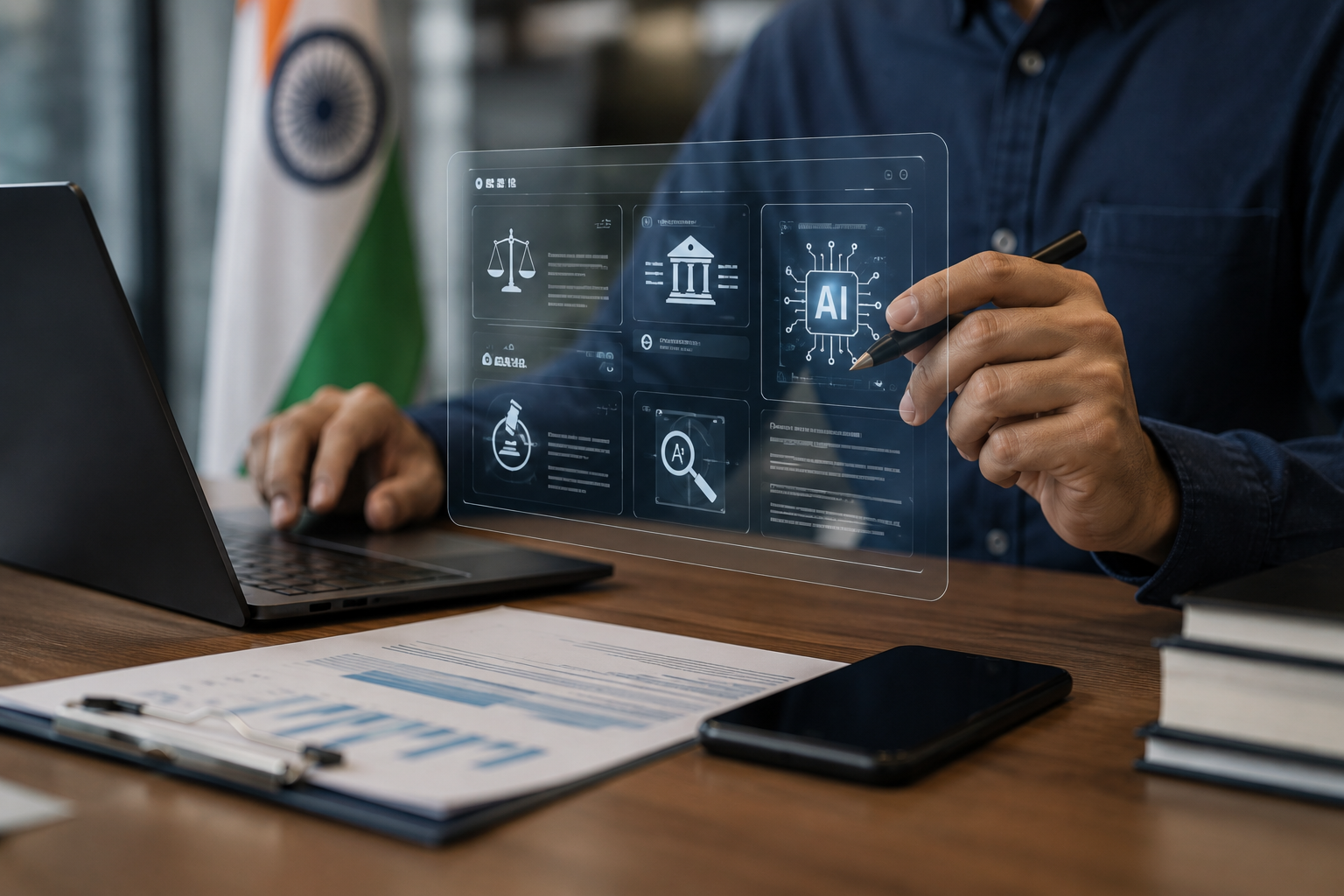
AI Liability in India: Who Is Responsible When Algorithms Cause Harm?
Introduction: The Problem of AI LiabilityArtificial intelligence increasingly influences decision-making in finance, healthcare, employment, transportation, and public administration. As these systems become more independent and less transparent, figuring out who is legally responsible when AI causes harm is a growing problem. Traditional liability models assume direct human control and intention, ideas that no longer apply when algorithms learn, change,...
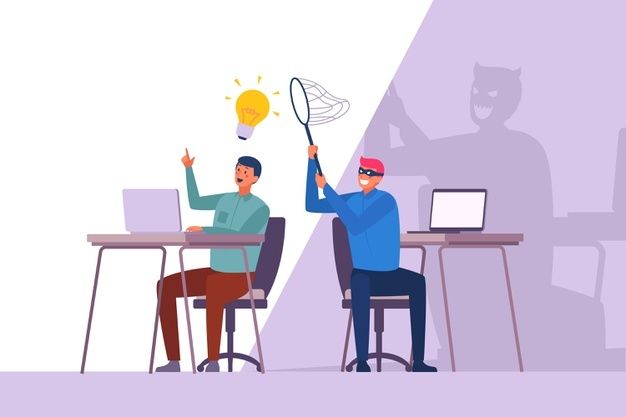
Someone Stole Your Idea? Your Logo? Your Code? That’s Theft — Not Flattery
In the world of startups, creativity, and innovation, your ideas are your most valuable assets. Yet, in India, thousands of entrepreneurs, designers, and developers lose their original work simply because they didn’t protect it legally. From a copied logo to stolen software code, intellectual property (IP) theft can cripple both your brand and your confidence. At Sandhu Law Offices,...
- 1
- 2
