Category : Family & Matrimonial Law

Bigamy by Concealment: Criminal and Civil Consequences
In India, marriage is not just a social contract between two people it is a lot more, it’s a sacred union with statutory obligations and constitutional guarantees1. When two people enter into a marriage they are under a belief that their to be spouse is unmarried at the moment, only to later find out that a prior marriage subsiding...

An interfaith couple faces threats from family members after marriage. Examine legal protections available to them
India is a country known for its rich cultural and religious diversity. People belonging to different faiths, languages, and traditions live together, making India a truly secular nation. The Constitution of India guarantees equality, freedom, and dignity to every citizen. One of the most important aspects of personal liberty is the right to choose a life partner. In recent...

My spouse has never physically abused me but constantly ignores and emotionally neglects me. Can emotional neglect alone be a ground for matrimonial relief?
Marriage is one of the most important social and legal institutions recognized by law. It is traditionally understood as a relationship founded on mutual trust, companionship, affection, respect, and emotional support. While physical abuse in marriage is widely acknowledged as a serious wrong, emotional neglect often remains unnoticed despite its profound impact on an individual’s mental health and dignity.Emotional...
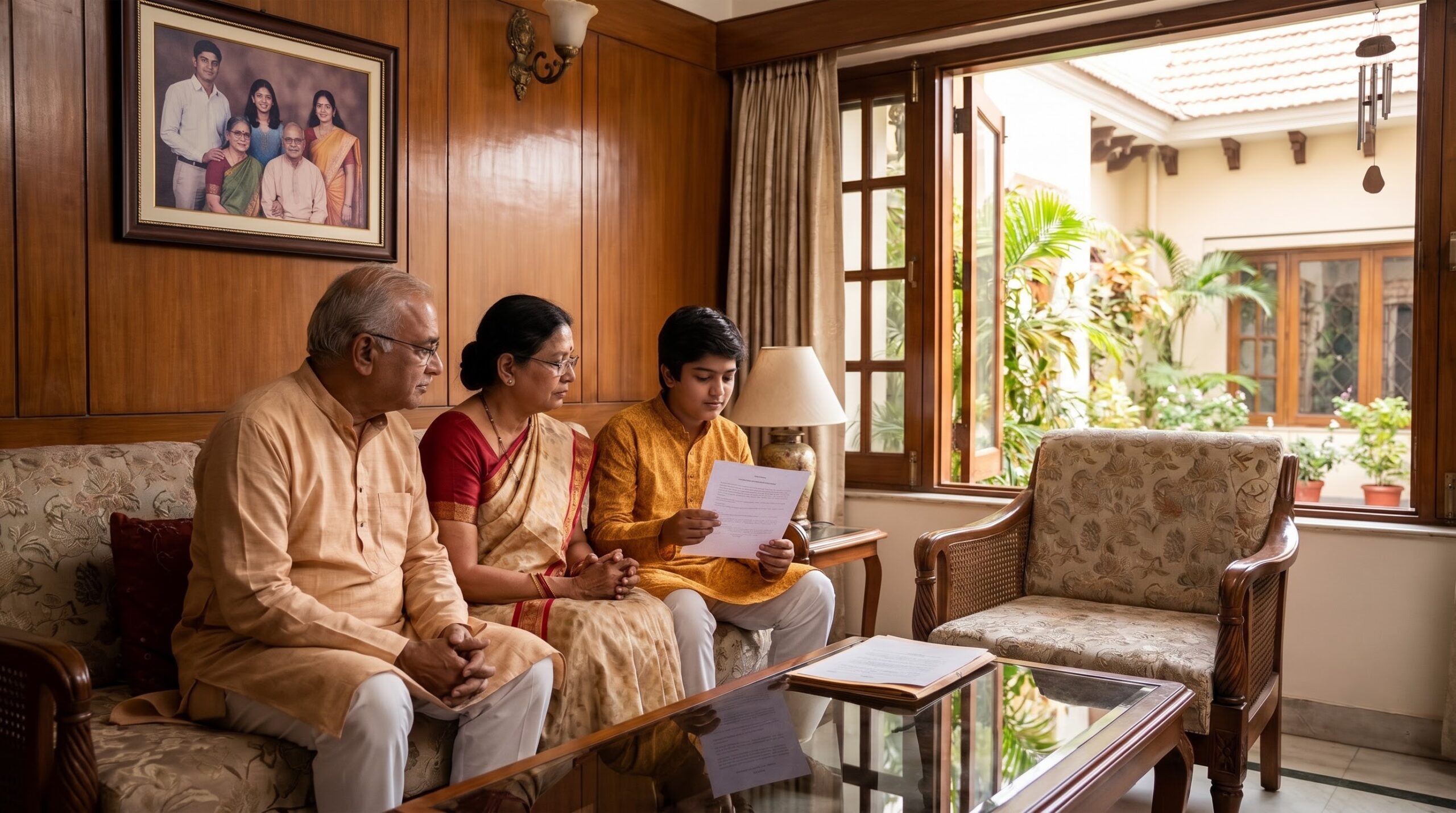
Analysis of an adopted child’s position under Hindu law for seeking inheritance rights in adoptive family’s ancestral property.
Adoption has been known to be an important institution under the Hindu law for a long time. Traditionally, adoption was linked to religious and spiritual aspects of the matter, especially in terms of the continuance of lineage and the performance of family rites. Adoption, however, was given a full statutory framework with the enactment of the Hindu Adoptions and...

A husband seeks restitution of conjugal rights after his wife leaves the matrimonial home. Examine the maintainability and constitutional validity of such proceedings.
Under the Hindu Marriage Act, 19551, the validity and solemnisation of a Hindu marriage are governed by the statutory conditions prescribed under the Act. Where saptapadi forms part of the customary ceremonies of the marriage, the marriage becomes complete and binding upon the completion of the seventh step taken jointly by the bride and bridegroom before the sacred fire....
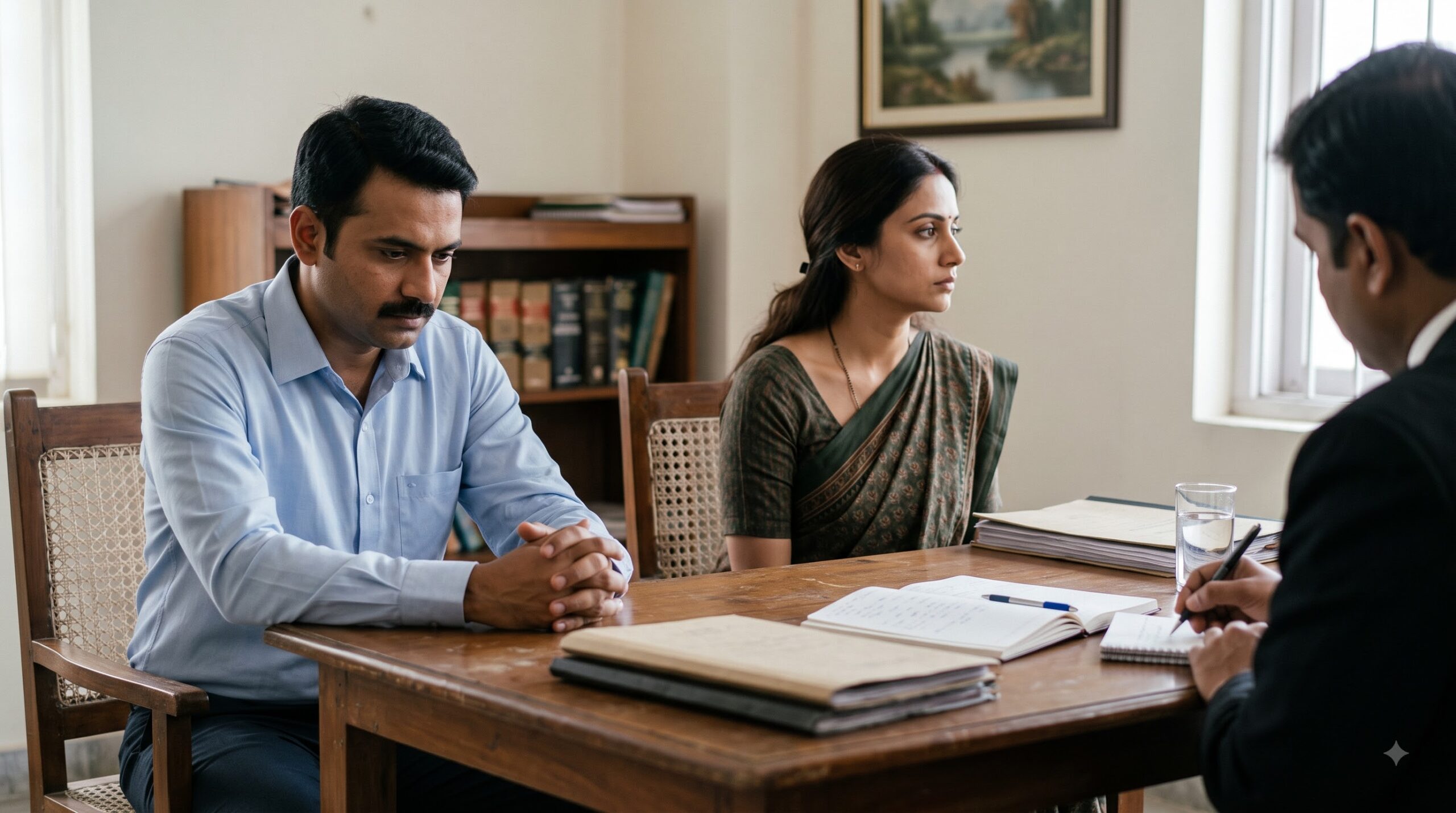
A husband seeks restitution of conjugal rights after his wife leaves the matrimonial home. Examine the maintainability and constitutional validity of such proceedings.
According to the Hindu Marriage Act, 19551 a marriage is said to be completed and binding when the saptapadi happens (bride and bridegroom taking seven rounds together around the fire) and bridegroom and the bride should be 21 and 18 years of age respectively. The remedy of restitution of conjugal rights helps the aggrieved spouse to see judicial remedies...

Who Owns the Embryo? Legal Rights Over Cryopreserved Embryos in Marital Separation
Imagine a couple who spent months in IVF treatment like, hormone injections, egg retrievals, anxious waits. They create six embryos; three are transferred, three are frozen, then the marriage falls apart. Now the question is not whether they want a child together, but what happens to the genetic material they created together and who, legally, gets to decide.This is...
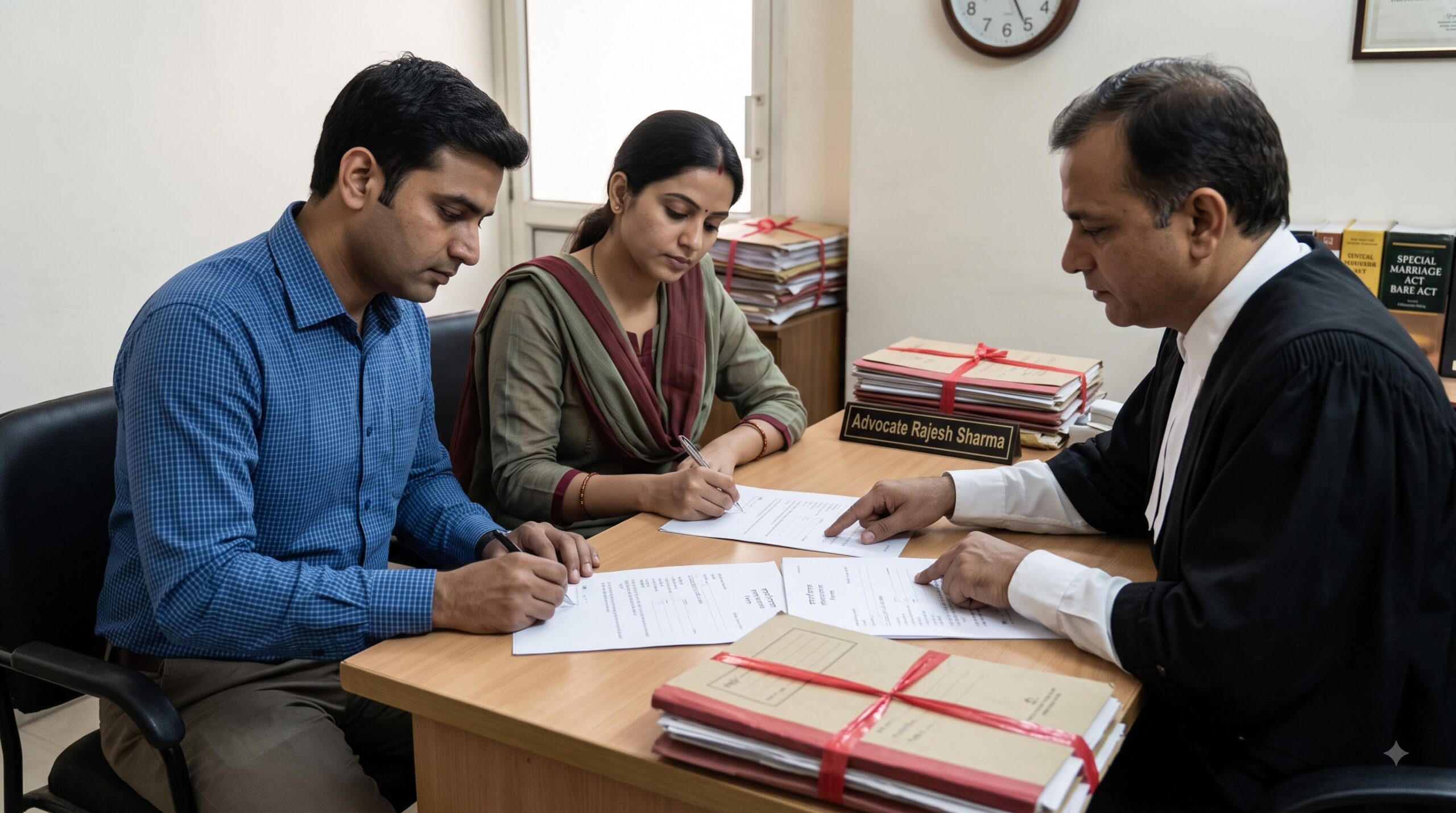
A couple married under the Special Marriage Act seeks mutual consent divorce after one year of marriage. Explain the procedure and legal requirements.
Marriage is considered an important social institution in India, but the law also recognizes that when a relationship completely breaks down, forcing spouses to stay together may cause further emotional suffering. To address such situations, the Special Marriage Act, 1954 provides the remedy of divorce by mutual consent under Section 28.Mutual consent divorce allows both spouses to jointly seek...

My spouse is publicly posting details of our matrimonial dispute on social media. Can I obtain a court order to stop the publication of private family matters?
Marriage is one of the most intimate human institutions. Yet today, matrimonial disputes are increasingly migrating from Family Courts to social media feeds. Screenshots of private conversations are posted publicly. Allegations of cruelty, infidelity, or dowry demands are broadcast to hundreds of followers. What the legislature designed to remain behind closed courtroom doors is now viral content. This blog...
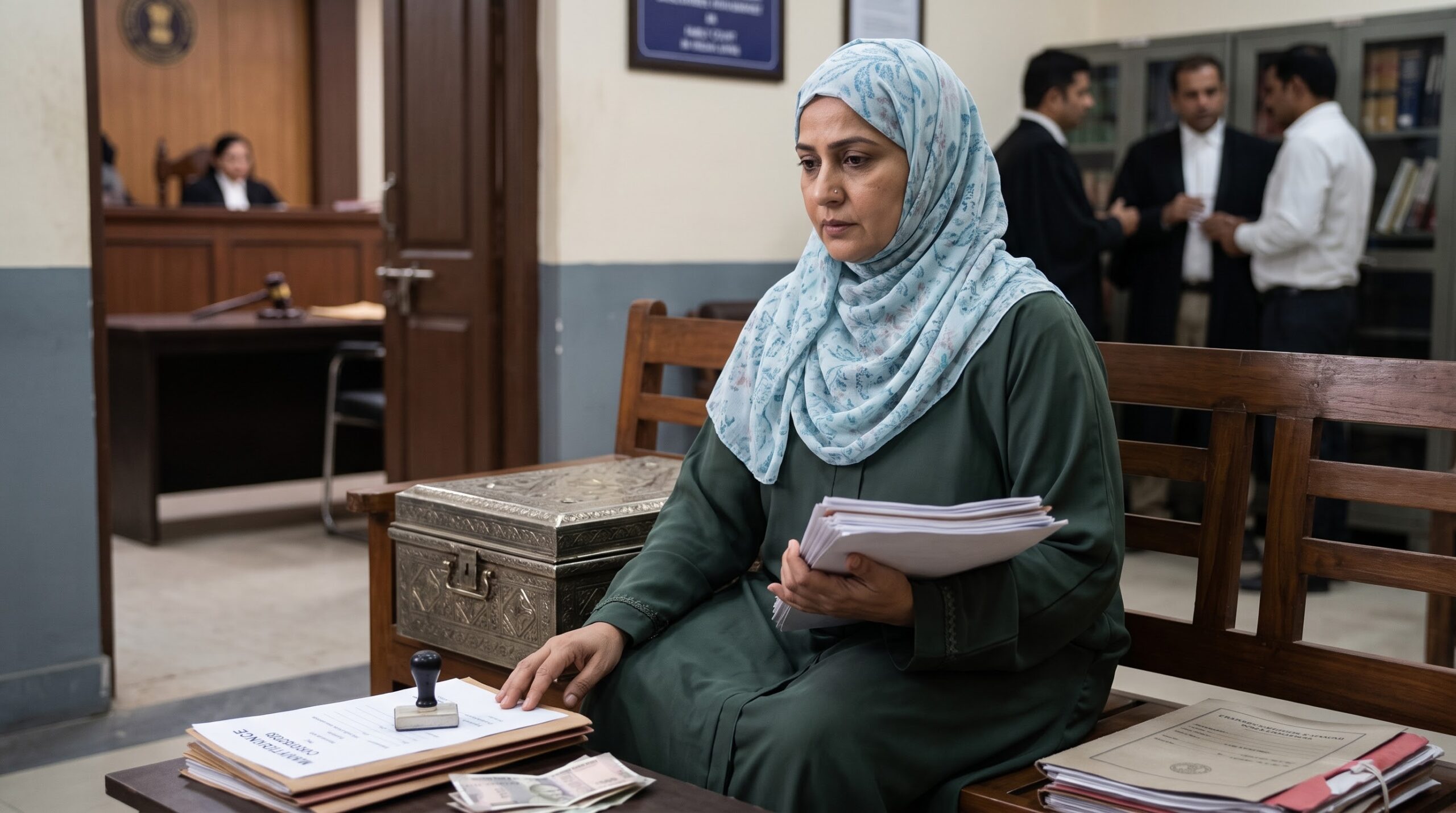
Maintenance Rights of a Muslim Woman After Divorce Despite Receipt of Mehr – An Examination Under Applicable Laws and Judicial Precedents
Whether or not a divorced Muslim woman can claim maintenance after the iddat period, beyond the iddat itself, is one of the most controversial areas of personal law and constitutional rights in Indian law. Mehr or Mahr is a compulsory gift made to the wife by the husband at the time of marriage.1 Husbands often raise the argument that...