Featured News
Shadow Government – Informal Centers of Power
1. IntroductionIn a democratic system, governance is expected to function through constitutionally recognized institutions such as the legislature, executive, and judiciary. However, in practice, power is not always exercised solely through these formal channels. The concept of a “shadow government” refers to informal centers of power that operate behind the scenes, influencing decision-making without constitutional accountability.These entities may include...

Cross-Border Insolvency in India: Need for Adoption of the UNCITRAL Model Law
1. Introduction In an increasingly globalized economy, corporate entities operate across multiple jurisdictions, making insolvency proceedings complex when assets and creditors are spread internationally. India’s insolvency framework under the Insolvency and Bankruptcy Code, 2016 (IBC) has significantly improved domestic resolution processes; however, it remains inadequate in addressing cross-border insolvency issues. The absence of a comprehensive legal mechanism for dealing...

PRAHAAR Anti-Terror Policy – LEGAL FRAMEWORK AND CHALLENGES
ABSTRACT:The PRAHAAR framework really digs into counterterrorism with prevention leading the way, using quick and targeted actions. It pushes for stronger institutions, tighter coordination between enforcement agencies, and never loses sight of legal safeguards. What really sets it apart is how it goes beyond old-school security measures. It actually values community involvement and sees deradicalization as key if you...
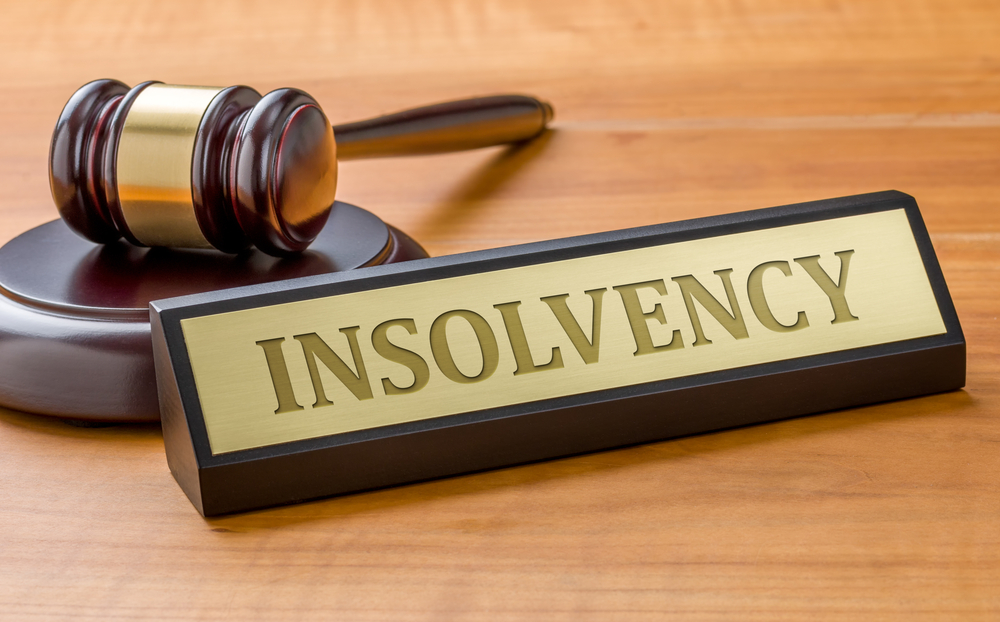
A Critical Analysis of the Insolvency and Bankruptcy Code (Amendment) Act, 2026
The Insolvency and Bankruptcy Code, 2016 transformed and revolutionized India’s approach to corporate insolvency by introducing a unified and time- bound resolution framework. Although, after its implementation it achieved initial success, but, over time, the Code has faced persistent challenges, including delays in resolution, judicial backlog, declining recovery rates, and concerns regarding value erosion. The Insolvency and Bankruptcy Code (Amendment) Act, 2026...
Coalition Politics: Alliance of Parties to Form Government
In parliamentary democracies, coalition politics refers to multiple political parties forming alliances to secure a legislative majority and form a government. Such arrangements become necessary when no single party attains an absolute majority, resulting in a hung parliament or assembly. Coalition governments represent power-sharing agreements in which parties negotiate the allocation of seats, ministerial portfolios, and policy priorities to...

CRIMINAL TRIAL DELAY: THE SUPREME COURT’S POSITION ON SPEEDY JUSTICE IN 2026
ABSTRACT India’s court system is experiencing increasing delays that compromise justice, despite the country’s diverse society reflecting harmony. The idea that “justice delayed is justice denied” emphasizes the significance of the right to a prompt trial, guaranteeing both justice for the accused and prompt compensation for victims. The public and legal professionals are concerned about the growing backlog of...
VAGUE ALLEGATIONS IN CRIMINAL LAW
1. Abstract The foundation of India’s criminal justice system, in many contemporary contexts, rests upon the “right to a fair trial,” and the necessity for clarity in this regard is deeply rooted in the principles of “Common Law.” The fundamental import of this principle is that the accused must be provided with full and complete information regarding the specific...

ANALYSE THE SCOPE OF AUTHORSHIP AND ORIGINALITY
INTRODUCTION The copyright law is the legal protector of the creative expression and is based on two basic pillars: authorship- the identification of the person, who has the right to the creative rights, and originality- the determination of whether a work has the necessary intellectual depth to be subject to protection. These ideas are frequently mixed in the Indian...

Crony Capitalism – Business-Government Nexus for Mutual Benefit
Crony capitalism is a perversion of the free-market economy, in which the creation of wealth through competitive innovation is replaced by abuse of political influence. This essay looks at the institutionalised nexus between state and privately owned companies, which is a system of legal permits and government grants, and tax concessions to insiders. The assignment evaluates the impact of...
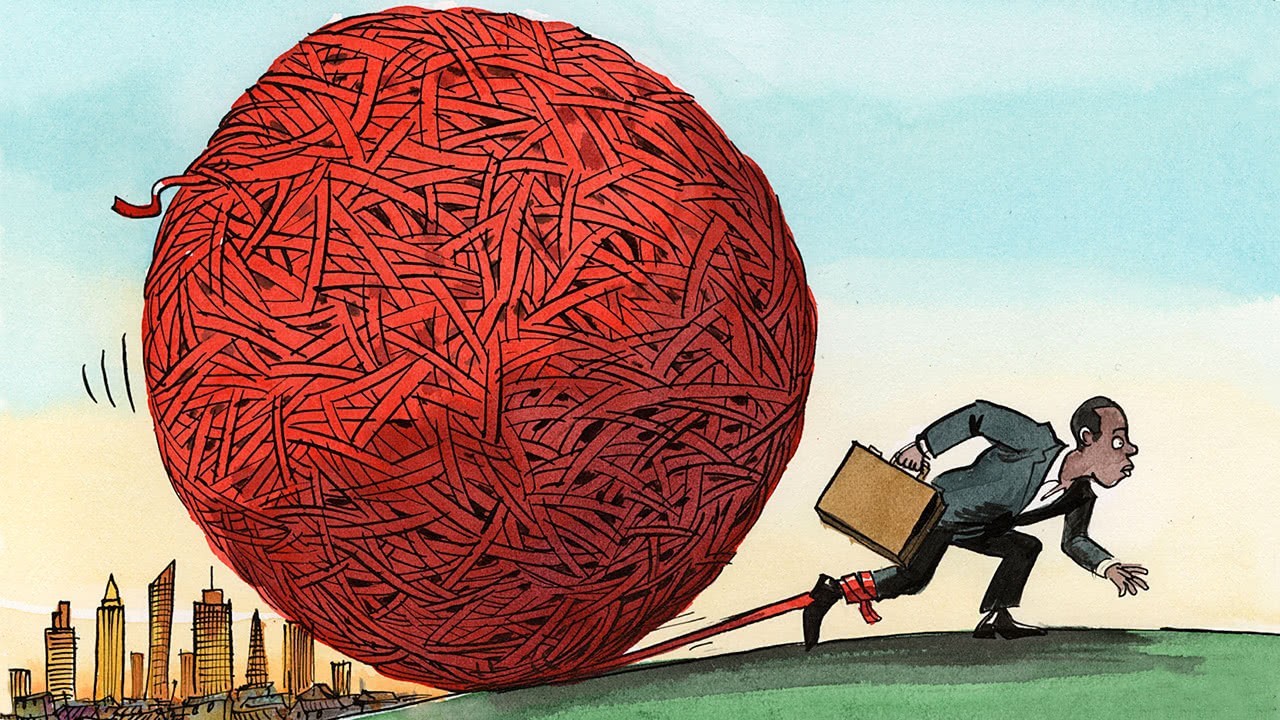
Red Tapism: Excessive Bureaucracy and Delay in Administrative Work
IntroductionRed tapism is commonly understood as the excessive use of rules, regulations, and formal procedures that result in delays and inefficiency in administrative functioning. It is most often associated with government offices, where decision-making becomes slow due to unnecessary paperwork, rigid adherence to procedures, and multiple layers of approval. Although rules are essential for ensuring accountability and order, their...