Category : Public, Administrative & Civil Rights Law
Custodial Violence and Police Accountability in India: A Critical Analysis
IntroductionCustodial violence is one of the darkest stains on India’s democratic fabric, with the very institutions that were established to secure the citizens being used against them. Torture, beatings, and even death are the order of the day in the police lock-ups and judicial custody, usually written off as suicides or natural causes. These silent screams behind bars reveal...

Behind Closed Doors: The Case for Criminalising Corporal Punishment in Indian Homes
ABSTRACTThe use of corporal punishment inside Indian homes remains largely invisible to law, shielded by cultural beliefs that equate parental authority with absolute disciplinary power. Despite significant legal progress in curbing violence against children in schools and institutional settings, the private household continues to operate as an unregulated space where physical and psychological harm is normalised as “good parenting.”...
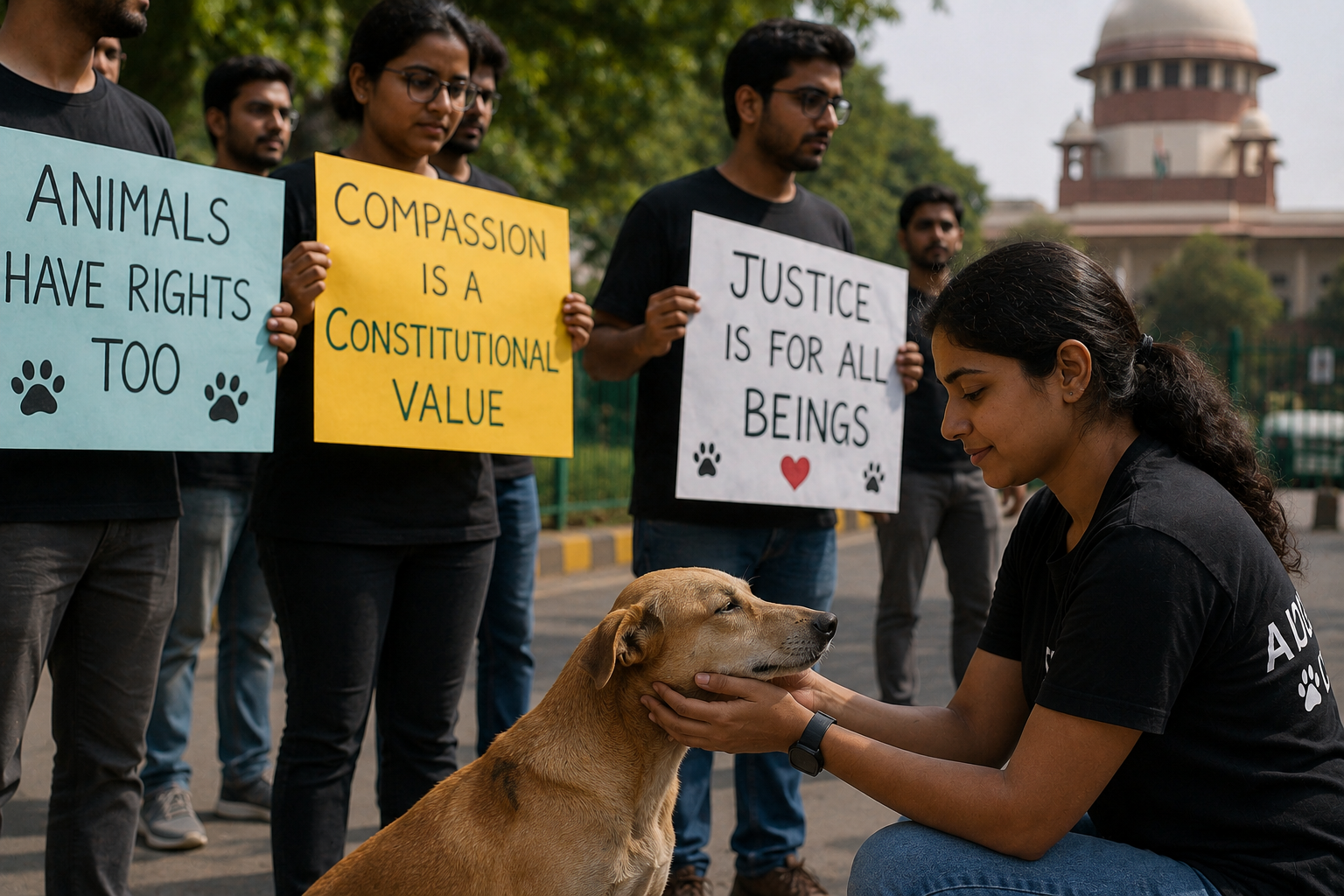
Expanding the Circle of Justice: A Constitutional Perspective on Animal Rights in India
IntroductionThe idea of justice, once confined to human interactions, is now steadily widening its horizon to include the non-human world. In India, this philosophical shift has found resonance within constitutional and judicial thought, giving rise to what can be called “the expanding circle of justice.” As societies evolve, so do their moral and legal understandings of what it means...
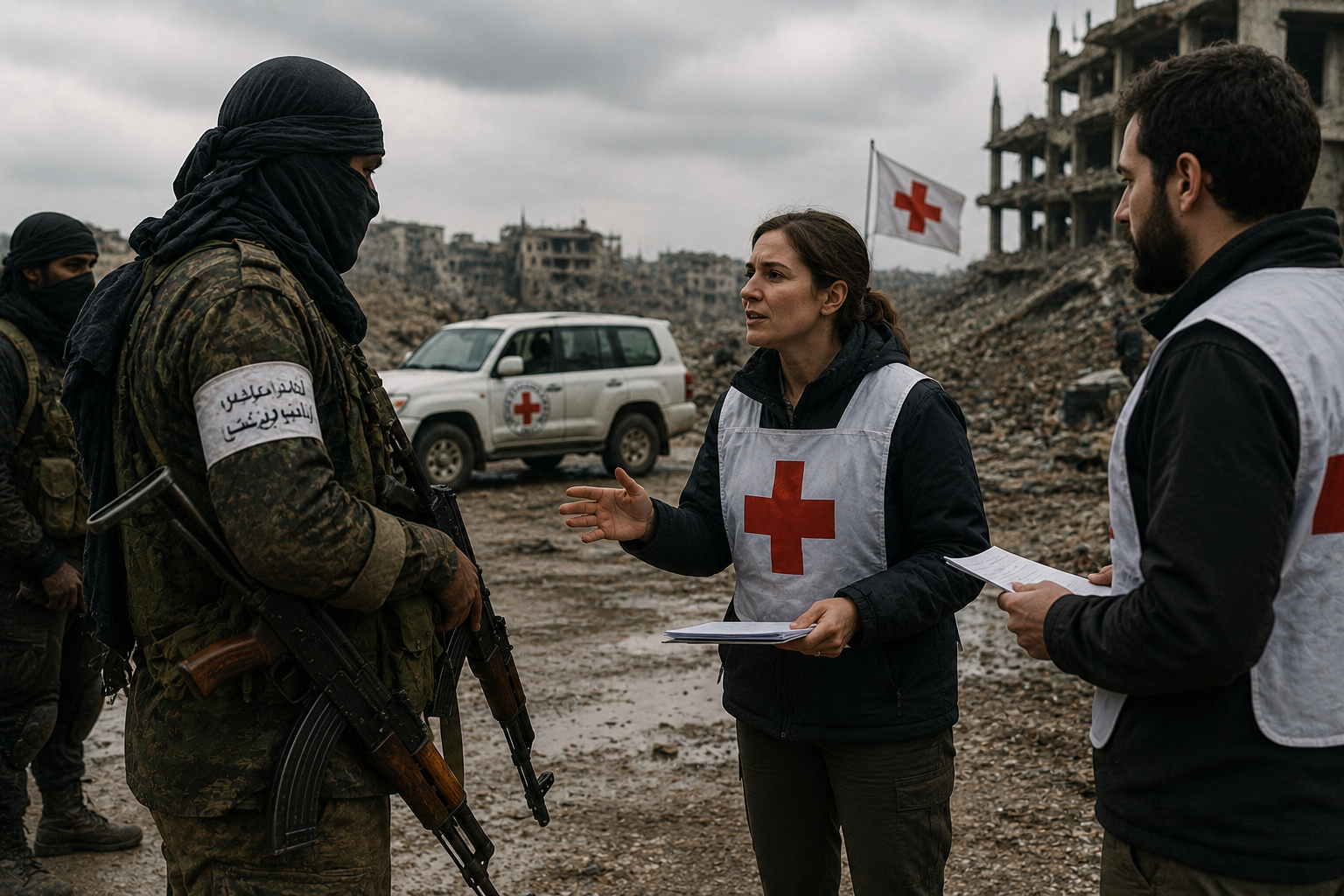
The Application Of International Humanitarian Law To Non-State Armed Groups.
ABSTRACTThe rise of Non-State Armed Groups (NSAGs) in contemporary armed conflicts presents a significant challenge to the application and enforcement of International Humanitarian Law (IHL). Traditionally, IHL has been designed to regulate the conduct of war between sovereign states. However, with the increasing prevalence of asymmetric warfare, internal armed conflicts, and transnational insurgencies, the role of NSAGs in modern...
Balancing Faith and Fundamental Rights: The Constitutional Conundrum of the Uniform Civil Code (UCC)
One of the most complex intersections between religious beliefs and constitutional rights is exemplified by the controversy surrounding India’s Uniform Civil Code (UCC). The goal of the UCC, which is envisioned under Article 44 of the Directive Principles of State Policy, is to establish a uniform legal framework that governs marriage, divorce, inheritance, and adoption for all citizens equally,...
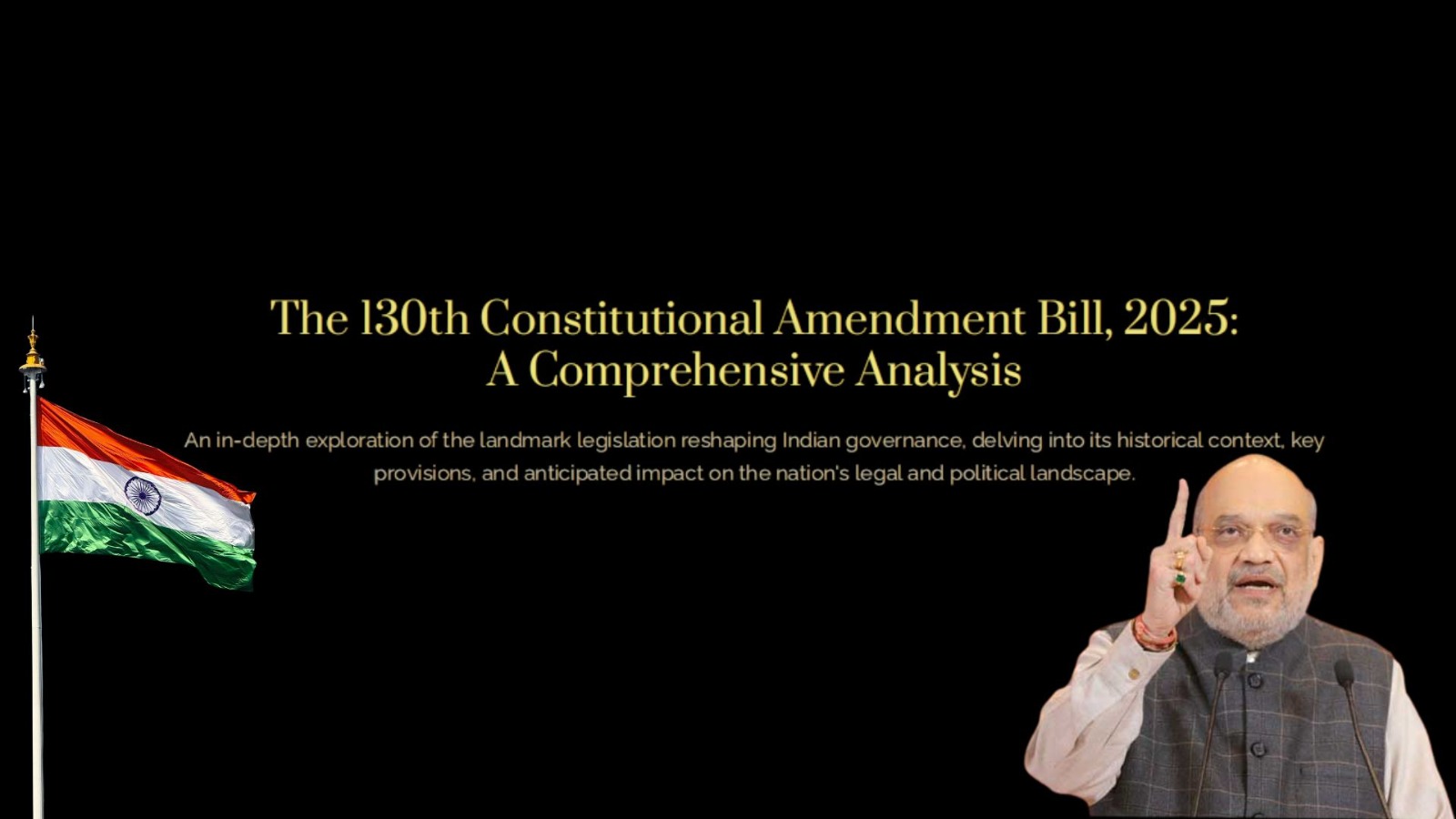
What the 130th Constitutional Amendment Bill, 2025, Means for Governance—and for You
Why This Amendment Matters? India’s Constitution has been described as a living document—one that adapts to the evolving demands of governance and democracy. The 130th Constitutional Amendment Bill, 2025, is a clear example of this adaptability. By focusing on accountability at the highest levels of public office, the Bill aims to ensure that those entrusted with power exercise it...

Understanding Your Legal Rights: A Beginner’s Guide for Clients
Navigating the legal system can feel overwhelming, especially if you are facing a dispute, an arrest, or a sensitive family matter. In such situations, the first step to protecting yourself is knowing your legal rights. Unfortunately, many people only learn about these rights when it is too late, leaving them vulnerable to exploitation or unfair treatment. At Sandhu Law...